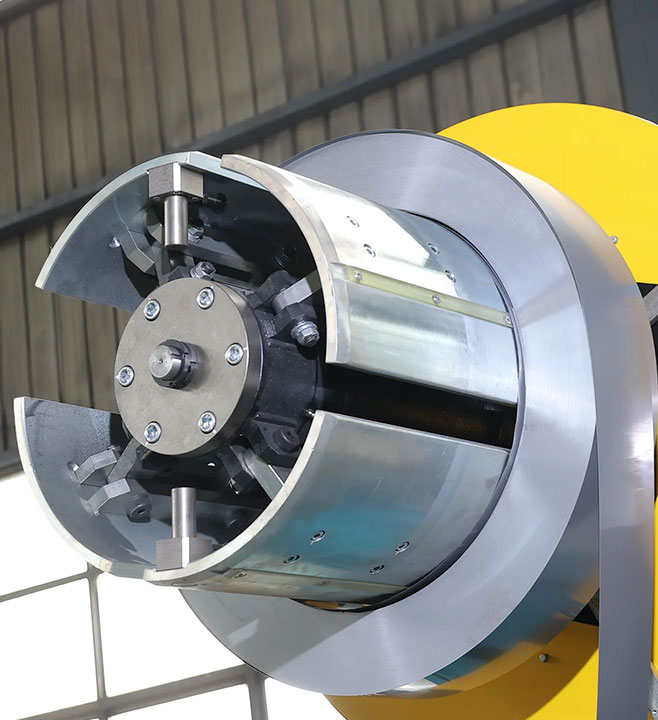
Cut-to-Length Line Maintenance: What Actually Needs Attention on the Shop Floor
A maintenance checklist for transformer core cut-to-length lines built from our own service records rather than from a generic manual: the areas that generate most service calls, what goes wrong there, and what an operator can check in a few minutes a week.
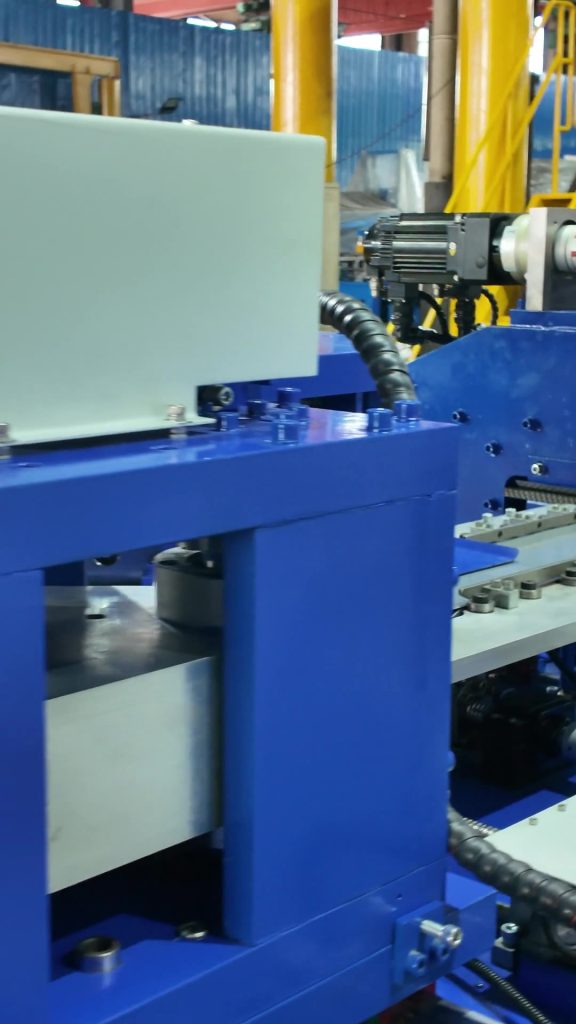
Maintenance manuals list every part of a machine. In production, a small number of areas cause most of the stoppages. We went through more than 8,000 messages in our service groups from May 2025 to September 2026, covering lines in daily production at transformer plants, and sorted every reported problem by where on the line it happened. This article turns that sorting into a practical checklist. It is written for the maintenance technician and the shift leader, not for the purchasing department.
The areas that come up most
Ranked roughly by how often they appeared in service messages, the areas that deserve a regular look are:
- Sensors: proximity switches, photo-electric sensors, magnetic cylinder switches and light grids that get knocked out of position or have a loose wire while the indicator still shows normal.
- Guides and supports: strip lifting in the guides, guides bent by a strip jam, and supports that collide with lifting cylinders after a width change.
- Lead screws and nuts: worn nuts that make positions drift, screws on one station falling out of step, and locknuts working loose.
- Control recipes and screens: coordinates to re-teach after a tool change, recipes that conflict between two hole positions, alarms that return straight after reset.
- Scrap conveyors: scrap jamming the conveyor, small punching slugs carried back into the line, scrap belts cut by the V-notch.
- Punch units: wear on crankshafts and cross-roller guides, traverse motors that stop, punch motors overheating.
- Feed and measuring rollers: slipping, running off to one side, and uneven pressure that pushes the strip against the guide.
- Pneumatics and hydraulics: leaking O-rings, loose fittings, cylinders slow to reach position.
- Conveyor belts: belts running off track, slipping or lifting.
Shears and blades, motors and cabling appear too, but far less often than the list above. Notably, almost none of the messages were about the parts most checklists start with, such as guards or the control cabinet itself.
A ten-minute weekly check
Most of the problems above give warning before they stop the line. A short walk-round once a week catches them:
- Sensors: check that each proximity switch and photo sensor is at its marked position and its bracket is tight. Pull gently on the cable at the connector.
- Guides: run a finger along the guide surfaces for burrs or dents; look for marks where the strip has been rubbing.
- Feed and measuring rollers: check the pressure setting of the measuring wheel and clean the roller surfaces; slipping usually starts with dirt or oil on the rubber.
- Scrap path: empty the scrap bins before they are full and clear slugs from under the punch units.
- Lead screws: look and listen during a width change; a new noise or a station that arrives late is the moment to check the nut, not after the positions drift.
- Reducers and bearings: check oil levels on worm gear reducers and listen for bearing noise at the feed rollers and conveyor drums.
- Couplings: check coupling screws on the punch and shear drives, where couplings take the most shock.
- Pneumatics: listen for leaks with the line stopped and air on; replace a leaking O-ring before it becomes a slow cylinder and a timeout alarm.
- Belts: check tracking and tension on the collation and stacking conveyors.
One plant we work with stops its line every Friday to clean and lubricate it. Its service record is noticeably quieter than lines that run until something breaks.
Operating habits that prevent faults
- Decoiler speed: repeated hard acceleration and braking on the decoiler overloads the drive and ends in inverter alarms. Use the ramp settings provided rather than jogging at full speed.
- After a tool change: re-check the coordinates of the station you touched before running production, and cut a few test laminations.
- Recipes: keep one person responsible for creating and editing lamination recipes, so conflicting programs are not saved by accident.
- Strip jams: after a jam, check the guides and the nearest sensors before restarting; a bent guide causes the next jam.
Spare parts worth keeping on the shelf
In our service records, waiting for a part came up more often than most individual fault types. The parts that are cheap to stock and expensive to wait for are sensors of each type used on the line, O-rings and pneumatic fittings, conveyor belts, couplings, the bearings used on feed rollers and conveyor drums, and a set of punch dies and shear blades. The spare and wear parts list in your technical agreement is the place to start; ask us for a copy if it is not in your maintenance office.
Frequently asked questions
How often should a cut-to-length line be serviced?
A short visual and functional check once a week, cleaning and lubrication on a fixed day, and a more thorough inspection of drives, screws and punch units at the intervals in the machine manual.
What causes the measuring wheel to slip?
Most often dirt or oil on the wheel, the wrong pressure setting, or a worn bearing. Clean the wheel and check the pressure before replacing parts.
Why do alarms come back straight after a reset?
Usually because the cause is still there: a sensor out of position, a loose wire, or a recipe conflict. Check the sensor named in the alarm before resetting again.
Related reading: cutting tolerances, preparing for installation, and the standard and high-speed line pages.
Sizing a line for your core shop?
Send strip widths, thickness and monthly tonnage. You get a line proposal with knife layout and floor plan, or use the online selector to narrow the series first.